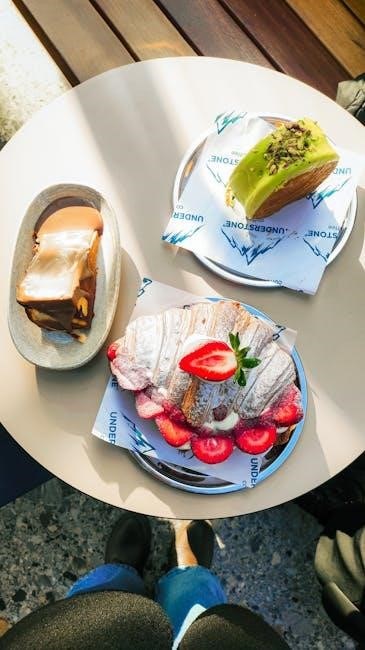
Trader Joe’s Almond Croissant Instructions: A Complete Guide
Trader Joe’s Almond Croissants offer a convenient, delightful pastry experience. This guide provides comprehensive instructions for baking these frozen treats, ensuring a flaky and flavorful result!
Trader Joe’s Almond Croissants have gained a devoted following, and for good reason! These frozen pastries promise a bakery-quality experience without the extensive effort of making croissants from scratch. They are a delightful combination of flaky, buttery dough and a sweet, rich almond filling, making them perfect for breakfast, brunch, or a special treat.
The appeal lies in their convenience; simply thaw and bake, and you’ll have warm, golden-brown croissants filling your kitchen with an irresistible aroma. Whether you’re a seasoned baker or a kitchen novice, these croissants are designed to be accessible and consistently delicious. They are available in the frozen section of Trader Joe’s stores, and are a popular choice for many.
Understanding the Product Overview
Trader Joe’s Almond Croissants are sold frozen, typically in a package containing several individual croissants. Each croissant is pre-formed and filled with a sweet almond paste, ready for baking. The packaging clearly outlines the necessary steps for thawing and baking, ensuring a straightforward process.
These aren’t traditional, fully laminated croissants made in-store; they are a convenient, pre-made option. They offer a good balance between ease of preparation and quality taste. The product is designed for home baking, allowing you to enjoy a warm, fresh-baked pastry without the complexities of traditional croissant making. They are a relatively inexpensive treat!

Preparation Before Baking
Proper thawing is crucial for achieving a light and flaky texture. Allow ample time for the croissants to thaw completely before baking for best results!
Thawing Instructions: The Overnight Method
For optimal results, the overnight thawing method is highly recommended. Simply remove the frozen almond croissants from their packaging and place them on a baking sheet lined with parchment paper. Loosely cover the croissants with plastic wrap – avoid sealing tightly, as this can trap moisture and affect the texture.
Then, transfer the baking sheet to your refrigerator and let the croissants thaw overnight, typically for 6-9 hours. This slow, controlled thawing process allows the dough to relax and rise gradually, resulting in a lighter, flakier croissant. Ensure the croissants are fully thawed before proceeding to the baking stage; they should be pliable but still cool to the touch.
Thawing Instructions: Accelerated Thawing (If Needed)
If you’re short on time, an accelerated thawing method can be used, though the overnight method yields superior results. Remove the frozen croissants from the packaging and place them on a parchment-lined baking sheet. Allow them to sit at room temperature for approximately 2-3 hours, checking frequently.
Keep a close watch, as thawing time will vary depending on your room’s temperature. The croissants are ready when they are pliable but still cool. Avoid thawing them in the microwave or direct sunlight, as this can lead to uneven thawing and a compromised texture. Be prepared to bake immediately after accelerated thawing.
Checking for Proper Thawing
Ensuring the croissants are adequately thawed is crucial for achieving a light and flaky texture. Gently press a croissant; it should yield slightly to the touch, indicating it’s pliable. If it feels rock-solid, it needs more time. Conversely, if it’s overly soft and sticky, it may be over-thawed.
A properly thawed croissant will unfold easily without cracking or breaking. The dough should be cool to the touch, not warm. If you’re unsure, err on the side of under-thawing rather than over-thawing, as slightly frozen dough can still bake well, while over-thawed dough will be difficult to work with.
Baking Instructions
Preheat your oven to 375°F (190°C) and arrange the thawed croissants on a baking sheet. Bake for 20-25 minutes, or until golden brown and fully cooked!
Oven Temperature: 375°F (190°C)
Maintaining the correct oven temperature is crucial for achieving perfectly baked Trader Joe’s Almond Croissants. A consistent 375°F (190°C) ensures the croissants rise properly and develop a beautiful golden-brown exterior. Lower temperatures may result in pale, undercooked pastries, while higher temperatures could lead to burning before the inside is fully heated.
Preheating your oven thoroughly is equally important. Allow sufficient time for the oven to reach the desired temperature before placing the croissants inside. This guarantees even heat distribution and optimal baking results. Using an oven thermometer can help verify the accuracy of your oven’s temperature setting, ensuring consistent outcomes every time you bake these delightful treats.
Baking Time: 20-25 Minutes
The ideal baking time for Trader Joe’s Almond Croissants is typically between 20 and 25 minutes, but this can vary slightly depending on your oven. Begin checking for doneness around the 20-minute mark to prevent overbaking. Look for a rich, golden-brown color across the surface of the croissant, indicating it’s nearing completion.
Rotating the baking sheet halfway through the baking process can promote even cooking and ensure consistent color development. Keep a close watch during the final few minutes to avoid burning. Remember, baking times are guidelines; visual cues are the most reliable indicator of doneness for these flaky, delicious pastries.
Placement in the Oven: Ensuring Even Baking
For optimal results with Trader Joe’s Almond Croissants, center the baking sheet in your preheated oven. Avoid placing the sheet too high or too low, as this can lead to uneven baking. Ensure there’s sufficient space around the baking sheet for proper air circulation.
If baking multiple sheets simultaneously, stagger their placement on different racks to further promote even heat distribution. Rotating the baking sheet halfway through the 20-25 minute baking time is also highly recommended. This simple step guarantees a uniformly golden-brown and perfectly cooked croissant every time, maximizing flavor and texture.
Enhancing the Baking Process
Elevate your Trader Joe’s Almond Croissants with simple additions! An egg wash creates a golden sheen, almond slices add texture, and parchment paper simplifies cleanup.
Optional Egg Wash for Golden Color
Achieving a beautifully golden-brown finish on your Trader Joe’s Almond Croissants is easily accomplished with a simple egg wash. This step isn’t mandatory, but it significantly enhances the visual appeal and adds a subtle richness to the pastry’s exterior.
To prepare the egg wash, whisk one large egg with a tablespoon of water until thoroughly combined. Gently brush this mixture over the surface of the thawed croissants before placing them in the oven. Be careful not to let the egg wash drip down the sides, as this can cause uneven browning.
The egg wash caramelizes during baking, creating a glossy, inviting appearance. It also contributes to a slightly crispier texture. For a deeper color, you can use a mixture of egg yolk and cream instead of whole egg and water.
Sprinkling with Almond Slices
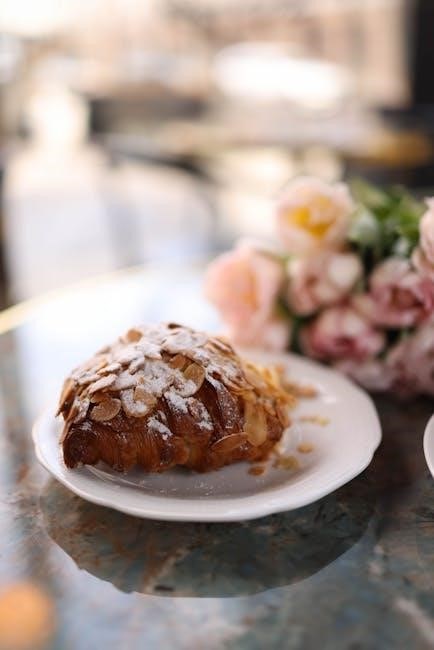
Elevate your Trader Joe’s Almond Croissants with an extra layer of almond flavor and delightful texture by sprinkling sliced almonds on top before baking. This simple addition amplifies the nutty notes already present in the filling and creates a visually appealing, rustic finish.
Use slivered or sliced almonds for the best results. Lightly press the almonds onto the egg-washed surface (if using) to ensure they adhere during baking. Don’t overload the croissants; a moderate sprinkling is sufficient to provide both flavor and visual interest.
The almonds will toast beautifully in the oven, adding a pleasant crunch that complements the flaky pastry and soft almond filling. This step is particularly recommended for those who adore a pronounced almond taste.
Using Parchment Paper for Easy Cleanup
Simplify the baking process and minimize cleanup with parchment paper! Lining your baking sheet with parchment paper before placing the Trader Joe’s Almond Croissants prevents sticking and ensures effortless removal after baking. This is especially helpful given the buttery, potentially sticky nature of the pastry.
Cut the parchment paper to fit your baking sheet, allowing for slight overhang on the sides for easy lifting. The parchment paper acts as a barrier, catching any potential drips or melted almond filling.
Discard the parchment paper after use for a quick and convenient cleanup, saving you valuable time and effort; It’s a small step with a significant impact on the overall baking experience.
Air Fryer Instructions (Alternative Method)
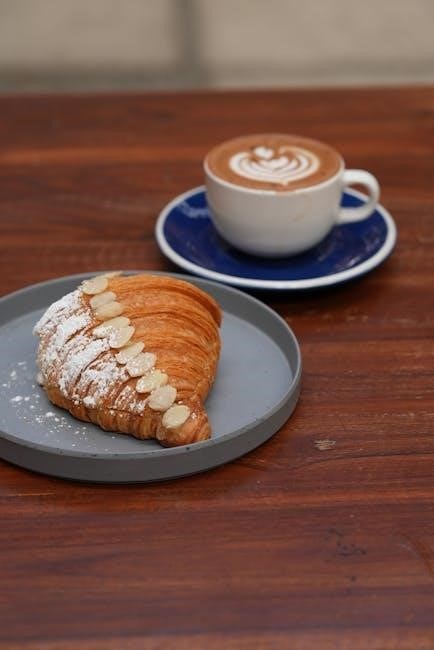
For a quicker bake, try the air fryer! Trader Joe’s Almond Croissants can be cooked in an air fryer, offering a convenient alternative to oven baking.
Air Fryer Temperature and Time
Achieving perfectly golden-brown croissants in your air fryer is surprisingly easy! Generally, a temperature of 350°F (175°C) works exceptionally well for Trader Joe’s Almond Croissants. Begin by preheating your air fryer for approximately 3-5 minutes to ensure even cooking.
The recommended cooking time is around 12-15 minutes, but this can vary depending on your specific air fryer model. It’s crucial to check for doneness around the 12-minute mark. Place the thawed croissants in the air fryer basket in a single layer, avoiding overcrowding. This allows for optimal air circulation and ensures a consistently crispy exterior. Remember to flip the croissants halfway through the cooking process for even browning on both sides.
Adjusting for Air Fryer Models
Air fryers vary significantly, so slight adjustments may be needed for optimal results. If your air fryer tends to cook hotter, reduce the temperature to 325°F (160°C) and monitor closely. Conversely, for models that cook slower, increase the temperature to 375°F (190°C).
Cooking times will also differ. Begin checking for doneness a few minutes earlier or later than the suggested 12-15 minutes. Smaller air fryers may require cooking the croissants in batches to avoid overcrowding. Larger models may accommodate more croissants simultaneously. Always prioritize visual cues – a golden-brown color indicates readiness. Experimenting with small adjustments will help you perfect the baking process for your specific air fryer!

Checking for Doneness
Ensure your Trader Joe’s Almond Croissants are perfectly baked! Look for a rich, golden-brown color and, optionally, verify an internal temperature of 200°F (93°C).
Visual Cues: Golden Brown Color
Achieving that perfect golden-brown hue is a key indicator of a successfully baked Trader Joe’s Almond Croissant. As the croissants bake, closely monitor their color. The pastry should transform from a pale, doughy shade to a beautiful, even golden brown. This color signifies that the layers are fully cooked and delightfully flaky.
Pay attention to the almond filling as well; it should also exhibit a golden tone. Uneven coloring can suggest inconsistent oven temperature or the need for rotation during baking. A deep golden-brown color indicates a rich, buttery flavor and a satisfyingly crisp texture. Don’t rely solely on time – visual inspection is crucial!
Internal Temperature Check (Optional)
While visual cues are often sufficient, an internal temperature check offers extra assurance of doneness for Trader Joe’s Almond Croissants. Using a food thermometer, carefully insert the probe into the center of a croissant, avoiding the almond filling. A fully baked croissant should reach an internal temperature of approximately 200-210°F (93-99°C).
This method is particularly helpful if you prefer a more precise assessment. Remember that carryover cooking will continue after removing the croissants from the oven, so don’t overbake. This step is optional, but provides peace of mind, guaranteeing a warm, thoroughly cooked, and delicious pastry!

Cooling and Serving
Allow Trader Joe’s Almond Croissants to cool on a wire rack for about 10-15 minutes before serving. Enjoy them warm for the best flavor!
Cooling Time: Allowing the Croissant to Set
After baking your Trader Joe’s Almond Croissants to golden perfection, resisting immediate indulgence is key! Allowing a proper cooling period is crucial for several reasons. First, it allows the internal structure of the croissant to fully set, preventing a potentially messy and structurally unsound pastry.
A cooling time of approximately 10 to 15 minutes on a wire rack is recommended. This promotes airflow around the croissant, preventing sogginess. During this time, the filling will also slightly firm up, making it easier to handle and enjoy. Attempting to serve the croissant immediately after removing it from the oven could result in a gooey, unstable treat. Patience yields a far more satisfying experience!
Serving Suggestions: Enjoying Your Croissant
Now for the best part – savoring your freshly baked Trader Joe’s Almond Croissant! These pastries are delightful on their own, offering a rich, buttery, and almond-infused experience. However, enhancing the enjoyment is simple. A classic pairing is a steaming cup of coffee or tea, complementing the croissant’s sweetness beautifully.
For an extra touch, consider lightly dusting the croissant with powdered sugar. Alternatively, a small dollop of fruit preserves, like raspberry or apricot, adds a delightful fruity counterpoint. Enjoying them slightly warm is ideal, but they are delicious even at room temperature. Share with friends, or simply indulge in a moment of personal bliss!

Troubleshooting Common Issues
Baking can present challenges! This section addresses common problems like insufficient rising, burning, or pale croissants, offering solutions for perfect Trader Joe’s almond croissants.
Croissant Not Rising Properly
A flat croissant is a common frustration! If your Trader Joe’s almond croissants aren’t rising sufficiently, the primary culprit is likely inadequate thawing. Ensure the croissants have been left at room temperature for a full overnight period – ideally 6-9 hours, or even longer.
Temperature plays a crucial role; a cold dough won’t rise effectively. Avoid placing them in a warm environment to speed up thawing, as this can compromise the texture. Also, check the expiration date; older croissants may have diminished yeast activity. Gently handling the dough is key; excessive manipulation can deflate it. Finally, ensure your kitchen isn’t too cold, as this can also hinder the rising process.
Croissant Burning Before Cooking Through
Darkening too quickly while remaining raw inside? This often indicates your oven temperature is too high. Double-check it’s accurately set to 375°F (190°C). Lowering the temperature by 25°F and extending the baking time slightly can help.
Another solution is to tent the croissants loosely with aluminum foil during the latter half of the baking process. This shields them from direct heat. Ensure even baking by rotating the baking sheet halfway through. Placing a baking sheet below the croissants can also deflect some heat. Finally, avoid overfilling with almond slices, as this can contribute to burning;
Croissant Too Pale
If your croissants lack golden-brown color, several adjustments can be made. First, consider an egg wash – brushing the tops with a beaten egg before baking promotes browning and adds a beautiful sheen. Sprinkle almond slices generously; they toast beautifully and contribute to color.
Ensure your oven is preheated fully before baking. A slightly longer baking time, within the 20-25 minute range, can also help. Avoid opening the oven door frequently, as this lowers the temperature. If still pale, briefly switch the oven to broil (watching very closely!) for the last minute.
Variations and Additions
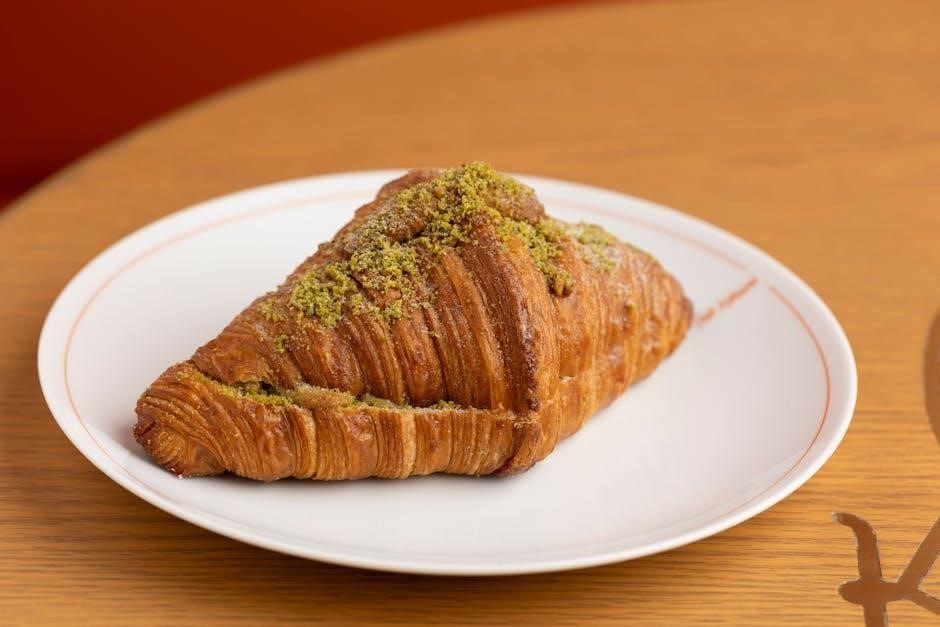
Elevate your croissant experience! Pair with coffee or tea, add a dollop of fruit preserves, or lightly dust with powdered sugar for extra sweetness.
Pairing with Coffee or Tea
A classic combination awaits! The rich, buttery flavor of Trader Joe’s Almond Croissants is beautifully complemented by a warm beverage. Consider a smooth, medium-roast coffee to balance the sweetness of the almond filling. Alternatively, a delicate black tea, like Earl Grey, offers a sophisticated pairing.
For a more indulgent experience, try a latte or cappuccino – the creamy texture enhances the croissant’s flakiness. Herbal teas, such as chamomile or peppermint, provide a refreshing contrast. Don’t hesitate to experiment with different blends to discover your perfect match. A simple cup of tea or coffee truly elevates this pastry into a special treat, perfect for a relaxing morning or afternoon break.
Adding Fruit Preserves
Elevate your croissant experience! A touch of fruit preserves adds a delightful burst of flavor to Trader Joe’s Almond Croissants. Consider apricot preserves for a classic pairing, complementing the almond notes beautifully. Raspberry or strawberry preserves offer a tangy sweetness that cuts through the richness.
For a more unique twist, try fig or orange marmalade. Gently spread a thin layer of your chosen preserve onto the warm, baked croissant. This addition creates a harmonious blend of textures and tastes, transforming a simple pastry into a gourmet delight. Experiment with different flavors to find your perfect combination!
Dusting with Powdered Sugar
A simple yet elegant finishing touch! Dusting your freshly baked Trader Joe’s Almond Croissant with powdered sugar adds a delicate sweetness and visual appeal. This classic technique enhances the pastry’s presentation, creating a café-worthy treat right in your kitchen.
Use a fine-mesh sieve to evenly distribute the powdered sugar over the warm croissant. The heat will help it adhere slightly, creating a subtle, snowy coating. Don’t overdo it – a light dusting is all you need to complement the almond flavor and flaky texture. It’s a quick and easy way to elevate your croissant experience!

Nutritional Information (Approximate)
Per croissant: Roughly 300-350 calories, with 15-20g of fat, 30-35g of carbohydrates, and 5-8g of protein – values may vary.
Calories and Macronutrient Breakdown
Understanding the nutritional profile of Trader Joe’s Almond Croissants allows for informed enjoyment of this delicious treat. Each croissant typically contains approximately 320-370 calories, depending on size and preparation. The macronutrient breakdown is as follows: fats contribute around 18-22 grams, primarily from the buttery dough and almond filling. Carbohydrates range from 32-38 grams, including sugars from the almond paste and dough. Protein content is relatively modest, around 6-9 grams per croissant.
It’s important to note these are approximate values, and actual nutritional content can vary slightly. For those mindful of their intake, enjoying a croissant as an occasional indulgence, paired with a balanced diet, is perfectly reasonable. Consider portion control and mindful eating to savor the flavor without overconsumption.

Storage Instructions
Proper storage maintains quality! Unbaked croissants should remain frozen. Baked croissants are best enjoyed fresh, but can be stored at room temperature for a day or two.
Storing Unbaked Croissants
Maintaining freshness is key when it comes to these delightful pastries. Trader Joe’s Almond Croissants are best when baked directly from a frozen state, so prolonged storage in the refrigerator isn’t recommended. However, if you need to hold them for a short period before baking – perhaps a few days – ensure they remain securely sealed within their original packaging.
This packaging helps prevent freezer burn and preserves the delicate, buttery flavor. For longer-term storage, consider transferring the unopened package to a freezer-safe bag or container, expelling as much air as possible. Remember to clearly label the container with the date to keep track of how long they’ve been stored. Properly stored, unbaked croissants can maintain good quality in the freezer for up to two months.
Storing Baked Croissants
Enjoying freshly baked croissants is ideal, but leftovers can be stored for later enjoyment. Once cooled completely, place the baked Trader Joe’s Almond Croissants in an airtight container or resealable plastic bag. Storing them at room temperature is suitable for a single day, but they will begin to lose their crispness.
For longer preservation – up to two days – refrigeration is recommended. Be aware that refrigeration can slightly alter the texture, making them a bit less flaky. To revive some of the original crispness, briefly warm refrigerated croissants in a low oven (around 300°F) for a few minutes before serving. Avoid freezing baked croissants, as the texture will significantly degrade upon thawing.