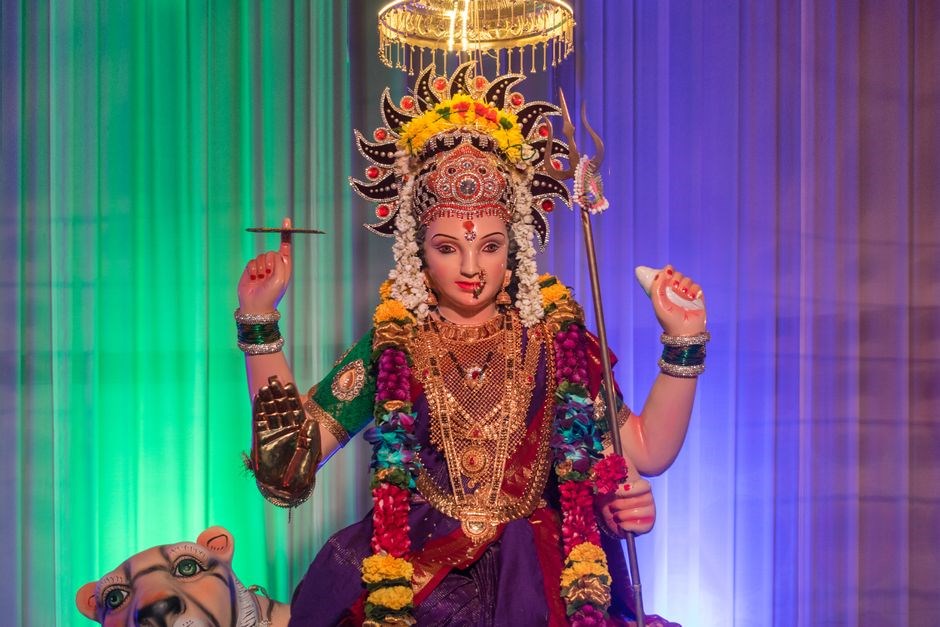
Soundarya Lahari, revered in Telugu devotional literature, offers a lyrical praise of divine beauty. The Telugu PDF edition preserves traditional verses, enabling scholars and devotees to access the text in their native script. Its rhythmic prose invites contemplation and spiritual reflection. Telugu!
1.1 Overview and Importance
The Telugu rendition of Soundarya Lahari bridges ancient Sanskrit hymns and Telugu‑speaking devotees. By rendering the 100 verses into the local language, the PDF edition preserves the rhythmic cadence and depth of the original composition. Scholars appreciate the meticulous transliteration, maintaining phonetic fidelity while adapting to Telugu orthography. Devotees find the format encouraging for recitation, meditation, and study. The digital PDF eliminates the need for printed copies, ensuring the text remains available to a broad audience, including those in remote regions. The PDF supports studies, allowing researchers to compare the Telugu version with Sanskrit manuscripts and other translations. The resource extends beyond devotion; it preserves linguistic heritage, enabling future generations to engage with classical literature in their mother tongue. The PDF’s searchable text facilitates keyword searches, making it a tool for academic research, curriculum development, and dialogue; In sum, the Telugu Soundarya Lahari PDF democratizes access to a revered spiritual text, fostering devotion and inquiry. The PDF format encourages annotations, enabling scholars to add commentary, cross‑references, and audio links, enriching the learning experience. The availability of the PDF has inspired communities where users share recitation videos, translation notes, and discussions, expanding the reach of this hymn across the Telugu‑speaking world. The PDF also includes a glossary of key terms and links to audio recitations, providing a toolkit for novices and seasoned practitioners. By providing a accessible digital text, the Telugu Soundarya Lahari PDF empowers both seasoned scholars and new devotees to engage deeply with the hymn’s philosophical nuances, fostering a renewed sense of reverence and community.
Historical Context and Authorship
The Telugu Soundarya Lahari PDF traces its roots to the 12th‑century Sanskrit hymn by Adi Shankaracharya. Translated by prominent Telugu scholars, it reflects devotional fervor and linguistic adaptation, preserving the text’s spiritual essence for modern readers. It remains a cornerstone of Telugu worship.!!
2.1 Origin and Composition
The Soundarya Lahari, a celebrated Sanskrit hymn, was composed by the revered philosopher‑theologian Adi Shankaracharya in the early 8th century CE. Its title, meaning “The Ocean of Beauty,” reflects a profound meditation on the divine feminine, celebrating the cosmic energy embodied in the goddess. The hymn is structured into 100 verses, each meticulously crafted to evoke the sensory and spiritual splendor of the divine form. Scholars note that the poetic meter aligns with the traditional Sanskrit shloka, allowing for rhythmic recitation in liturgical contexts. The composition’s philosophical depth intertwines Advaita Vedanta with devotional bhakti, illustrating how the ultimate reality manifests as both formless consciousness and embodied grace. Over centuries, the text has been transmitted orally and through manuscripts, with numerous commentaries enriching its interpretation. In the Telugu tradition, the hymn was rendered into the local language by eminent translators, preserving its lyrical quality while making it accessible to a broader audience. The Telugu PDF editions now provide a digital platform for scholars, devotees, and casual readers to engage with the text, ensuring its continued relevance in contemporary spiritual practice. Its recitation invites contemplation.!

Structure and Content of the Telugu Version
The Telugu rendition preserves 100 verses, each rendered in lyrical prose that mirrors the meter. Chapters highlight divine attributes, cosmic symbolism, and devotional insights, enabling readers to explore spiritual depth through easy language.!
3.1 Chapter Breakdown and Themes
The Telugu Soundarya Lahari PDF is organized into ten thematic sections, each dedicated to a distinct aspect of divine beauty and cosmic order. The first section introduces the divine consort, setting a tone of reverence. Subsequent sections explore her attributes—radiant eyes, graceful hands, and the lotus‑like form—through vivid metaphors that resonate with Telugu cultural imagery. The middle chapters delve into the interplay between the goddess and the cosmos, illustrating how her presence governs celestial rhythms. Later parts focus on the devotee’s path: devotion, surrender, and the transformative power of chanting. The final section culminates in a celebratory hymn that invites readers to internalize the goddess’s grace. Each chapter is meticulously translated to preserve meter, rhyme, and spiritual nuance, allowing scholars and devotees to study the text with both linguistic fidelity and devotional depth. The PDF format ensures accessibility, enabling easy navigation, annotation, and sharing across digital platforms.
In addition, the Telugu PDF includes explanatory footnotes that clarify archaic Sanskrit terms, ensuring that modern readers grasp the original intent. The translator’s commentary highlights the rhythmic patterns, offering insights into how meter influences devotional practice. Scholars can trace parallels with other regional renditions, noting variations in emphasis on particular verses. Devotees find the PDF useful for daily recitation, as the layout allows for easy highlighting of key verses. The digital format also supports audio playback, enabling users to listen to traditional recitations while reading, thereby deepening the experiential aspect of the text. It is freely downloadable, shareable. The PDF preserves the poetic cadence. Go.

Language and Translation Issues
Translating Soundarya Lahari into Telugu poses lexical and rhythmic challenges. The PDF preserves metaphors while adapting meter to Telugu prosody. Readers find devotional nuance clear, with footnotes explaining archaic terms for modern devotees and scholars.!!?.
4.1 Challenges in Translating Sanskrit into Telugu
Translating Soundarya Lahari from Sanskrit to Telugu is a complex endeavor that intertwines linguistic fidelity with devotional resonance. The original verses employ a sophisticated Sanskrit meter, intricate sandhi, and a rich tapestry of metaphors that celebrate divine beauty. When rendered into Telugu, translators must navigate several intertwined obstacles:
- Phonological and Metric Adaptation: Sanskrit’s Vṛtti system and the use of specific syllabic patterns (e.g., Anushtubh, Trishtubh) do not map neatly onto Telugu prosody. Achieving a comparable rhythmic flow while preserving meaning demands creative re‑scaffolding of lines.
- Semantic Nuance: Many Sanskrit terms carry layered theological connotations—such as “Shakti,” “Maha‑Devi,” and “Ananda”—that are deeply rooted in Vedic and Puranic contexts. Telugu equivalents may lack the same depth, forcing translators to choose between literal accuracy and contextual clarity.
- Lexical Gaps: Certain Sanskrit compounds (samāsa) and poetic devices (e.g., upamā, alankāra) have no direct Telugu counterpart. Translators often resort to explanatory footnotes or paraphrasing, which can disrupt the lyrical quality.
- Cultural Context: The devotional ethos embedded in the original text reflects specific cultural practices and iconography. Conveying these subtleties requires an intimate understanding of both source and target traditions.
- Preservation of Devotional Tone: Soundarya Lahari is not merely a literary piece; it is a liturgical chant. Maintaining the emotive intensity and reverential tone in Telugu demands a balance between poetic elegance and ritual authenticity.
These challenges underscore the necessity of collaborative scholarship, meticulous philological work, and a deep reverence for both linguistic heritage and spiritual intent. The resulting Telugu PDF, therefore, reflects a synthesis of academic rigor and devotional devotion, offering readers a faithful yet accessible rendition of this timeless hymn.
How to Obtain Soundarya Lahari Telugu PDF
To acquire a Soundarya Lahari Telugu PDF, begin by checking reputable academic portals, university libraries, or official publishers that specialize in Sanskrit‑to‑Telugu translations. Many institutions offer free downloads under Creative Commons licenses, ensuring legal and ethical access. Enjoy.
5.1 Legal and Ethical Sources
When seeking a Soundarya Lahari Telugu PDF, it is crucial to respect intellectual property laws and ethical guidelines. The most reliable avenues include official publishers that hold the rights to the Telugu translation, university libraries with digital collections, and reputable online repositories that provide open‑access versions under Creative Commons licenses. Many academic institutions maintain digitized archives of classical texts, and they often offer PDFs that are freely downloadable for personal study. Additionally, some authors and translators release their work on personal websites or through established digital book platforms, ensuring that the material is distributed with proper attribution and licensing. If you prefer a printed copy, purchasing from authorized distributors guarantees that royalties reach the rightful owners and that the quality of the translation is preserved. Always verify the source’s legitimacy by checking for official seals, publisher credentials, or endorsements from recognized scholars. Avoid downloading from unverified sites, as these may host pirated copies that violate copyright laws and compromise the integrity of the text. By choosing legal and ethical sources, you support the continued preservation of Telugu literary heritage and uphold the rights of translators and publishers who dedicate their expertise to making Soundarya Lahari accessible to a wider audience. All these options ensure compliance and respect for authors!!.

Reading and Study Tips
Start by reading the PDF slowly, noting each verse’s meaning. Use a bilingual dictionary for unfamiliar words. Highlight key phrases, then recite aloud to internalize rhythm. Discuss with peers or mentors for deeper insight. Keep a study journal to track progress.
Add footnotes for context now
6.1 Practical Guidance for Scholars and Devotees
When approaching the Soundarya Lahari Telugu PDF, scholars should first verify the edition’s authenticity by cross‑checking the colophon and publisher details against established bibliographic records. Once confirmed, a systematic reading plan can be adopted: divide the text into manageable sections, annotate key theological concepts, and compare transliterations with the original Sanskrit to gauge fidelity.
Devotees, on the other hand, can benefit from a more experiential method. Begin with a quiet setting, read aloud each verse, and allow the melodic cadence to guide meditation. Pair the reading with traditional bhakti practices such as chanting the mantra “Om Namo Bhagavate Vasudevaya” before each chapter to deepen spiritual resonance.
Both groups should maintain a reflective journal. Record insights, emotional responses, and any questions that arise. This practice not only reinforces memory but also creates a resource for future study or devotional gatherings. Additionally, engaging with online forums or local study circles can provide diverse perspectives and clarify complex passages.
Finally, consider supplementing the PDF with audio recitations. Listening to a skilled reciter can illuminate pronunciation nuances and rhythmic patterns that may be challenging to capture in text alone. By integrating textual analysis, devotional practice, and community interaction, one can achieve a holistic understanding of the Soundarya Lahari in its Telugu form.
In addition, scholars may employ digital annotation tools that allow embedding hyperlinks to commentaries, cross‑references, and linguistic resources directly within the PDF. This interactive layer facilitates deeper research and encourages collaborative scholarship. Devotees can use similar tools to mark verses that resonate personally, creating a personalized map of spiritual milestones. By combining rigorous academic methods with heartfelt devotion, readers can experience the Soundarya Lahari as both a scholarly treasure and a living, breathing hymn that enriches daily life. Remember to respect copyright laws and share responsibly.
Digital Resources and Communities
Explore online libraries, forums, and apps dedicated to Soundarya Lahari Telugu PDF. Join Telugu bhakti groups on Facebook, Reddit, and Discord for discussion. Use e‑book platforms like Google Books and Amazon Kindle for legal copies. Participate in virtual recitation sessions and study circles.! Now.
7.1 Online Forums, Apps, and Libraries

For devotees and scholars seeking the Soundarya Lahari in Telugu, a vibrant digital ecosystem offers multiple avenues. Dedicated forums on platforms such as Reddit (r/IndianReligion) and Quora host threads where users share annotated PDFs, discuss transliteration nuances, and recommend trustworthy sources. These communities often curate links to open‑access repositories that respect copyright laws.
Mobile applications play a pivotal role. Apps like Vedanta Mobile and Bhakti Library provide searchable libraries of Sanskrit and Telugu scriptures, including Soundarya Lahari PDFs. Features such as audio recitations, transliteration toggles, and note‑taking tools help users engage deeply with the text. Many of these apps are often available offline mode, ensuring accessibility even without internet connectivity.
Digital libraries such as the Digital Library of India, Internet Archive, and Google Books host scanned copies of regional editions. Users can download PDFs after verifying the publication’s public‑domain status or by obtaining a digital license. Additionally, the National Library of India’s e‑resource portal often lists Telugu translations that are freely available to registered users.
When navigating these resources, it is essential to verify the authenticity of the PDF. Look for clear authorship, publication details, and, if possible, cross‑reference verses with a printed edition. Engaging with community moderators and reading user reviews can further safeguard against pirated or corrupted files.
Enjoy!

and Further Exploration
Soundarya Lahari in Telugu PDF invites continued study. Readers can explore comparative translations, commentaries, and audio recitations to deepen insight. Engaging with scholarly forums and digital archives ensures authentic access and fosters future research!
8.1 Recommendations for Future Research

Future research on the Telugu rendition of Soundarya Lahari should prioritize a multi‑disciplinary approach that blends philology, digital humanities, and devotional studies. First, a critical edition of the PDF should be produced, comparing it with contemporaneous manuscripts in Sanskrit and other regional translations to identify textual variants, scribal interpolations, and regional stylistic shifts. Second, computational linguistic tools can map semantic fields across verses, revealing how the Telugu language negotiates metaphysical concepts traditionally expressed in Sanskrit. Third, ethnographic fieldwork in Telugu‑speaking communities can document living recitation practices, musical renderings, and devotional contexts, thereby situating the text within contemporary worship. Fourth, interdisciplinary collaboration with musicologists can analyze the rhythmic structures, prosody, and melodic motifs embedded in the Telugu verses, offering insights into how musicality reinforces theological themes. Fifth, a comparative study of commentarial traditions—both classical Telugu commentaries and modern scholarly exegeses—can illuminate evolving interpretive frameworks. Sixth, open‑access digital repositories should be established to host high‑resolution scans, annotated PDFs, and metadata, ensuring long‑term preservation and scholarly accessibility; Finally, pedagogical research should explore how the Telugu Soundarya Lahari can be integrated into curricula for Sanskrit, Telugu literature, and religious studies, fostering cross‑cultural literacy among students. By pursuing these avenues, scholars can deepen our understanding of how a revered Sanskrit hymn is transformed, transmitted, and lived within Telugu culture; insight.